
Guesthouse ownership is a small-scale form of lodging in which owners often manage the property as well as welcome and assist guests. Unlike many chain hotels, where duties are divided among departments, guesthouses commonly combine reservations, cleaning oversight, local advice, maintenance, and hospitality in the same household or small team. That hands-on approach can make a stay feel personal, but it also brings practical demands: owners must balance service with privacy, manage compliance and costs, and prepare for a tourism market in which online discovery and guest reviews matter. The distinctions below explain how owner-operated guesthouses work, what shapes their service, and how owners can run them sustainably.
How owner-operated guesthouses organize their work
“Guesthouse” has no single worldwide legal definition. It generally describes a small lodging property offering furnished rooms and, in some cases, shared spaces or breakfast; local laws may classify the same property as a bed-and-breakfast, inn, homestay, or small hotel. The U.S. Small Business Administration advises prospective accommodation businesses to research local zoning, permits, taxes, and other operating requirements, because obligations depend on location and business structure. In practice, an owner-operated guesthouse is defined less by a universal room count than by the owner’s direct role in daily operations.
That role is shaped by the guesthouse’s size, layout, staffing, and service promise. A property may be owner-occupied, managed by an owner who lives nearby, or run by a small team. The common thread is that decisions and guest contact are often handled close to the property rather than through a large corporate hierarchy.
Owner-hosted guesthouses
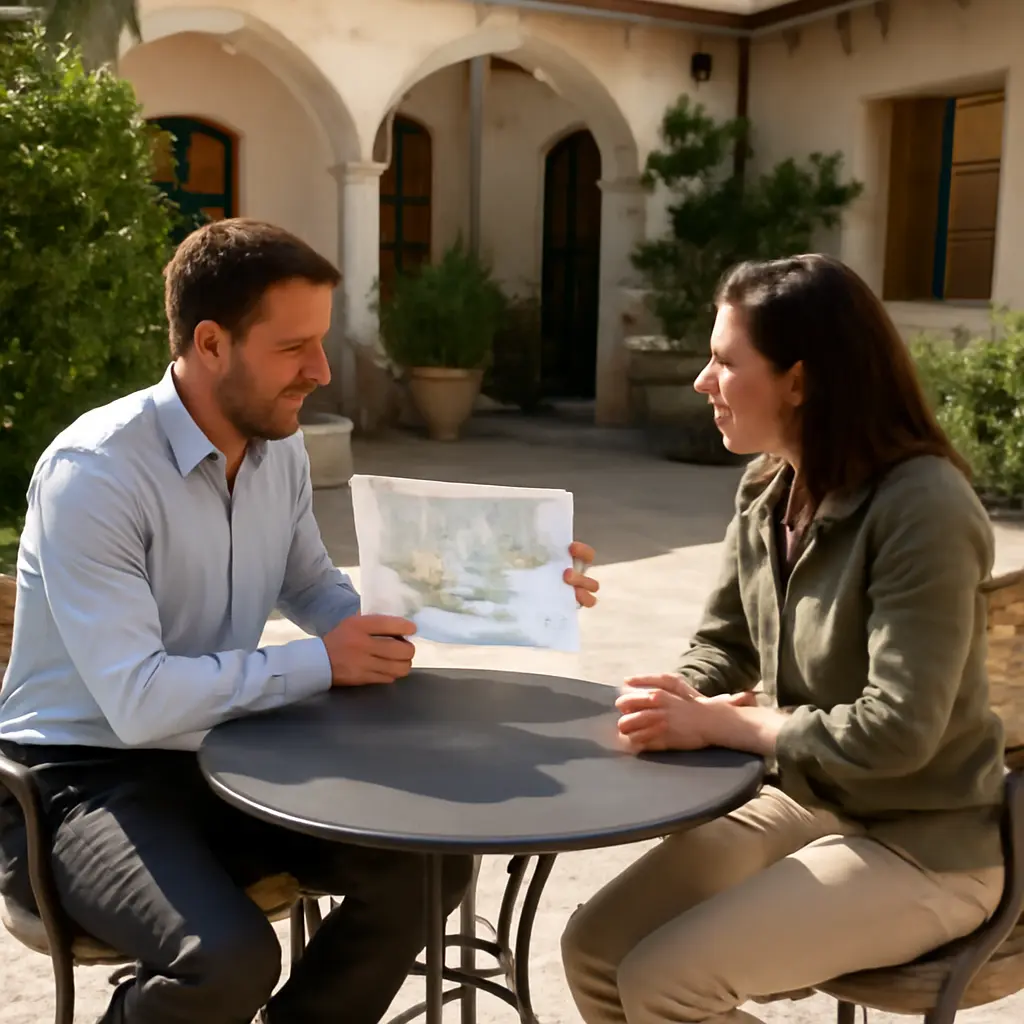
An owner-hosted guesthouse is a lodging business where the proprietor lives on-site or is routinely present. The owner may greet arrivals, answer questions, recommend local businesses, and respond to problems. This can create continuity: guests speak with someone who knows the building and neighborhood. It also requires clear boundaries, such as stated check-in hours and a reliable emergency contact, so hospitality does not depend on the owner being available every minute.
Small staffed properties
Some guesthouses are not family-run in the everyday sense, but still operate with a compact team and owner oversight. Staff may divide room preparation, breakfast, reception, and maintenance, while the owner handles bookings, finances, supplier relationships, or quality checks. Written checklists and handover notes help preserve consistency when the owner is away or shifts change.
Homestays, inns, and bed-and-breakfasts
These labels overlap, but often signal different arrangements. A homestay commonly places guests in or near a host’s home; a bed-and-breakfast emphasizes overnight accommodation and breakfast; and an inn may offer a broader range of lodging and food services. The exact meaning varies by country and licensing rules. Owners should describe the actual facilities and services rather than assume that a familiar label has the same legal or commercial meaning everywhere.
How personal service shapes the guesthouse experience
Personal service is a central advantage of owner-led accommodation, but it is not simply friendliness. It is the practical work of making a stay understandable, comfortable, and dependable—from booking confirmation through departure. A helpful host can tailor recommendations to a guest’s interests, while clear processes ensure that basic expectations do not vary from one arrival to the next.
Local knowledge and tailored recommendations
Owners often have detailed knowledge of nearby transport, restaurants, attractions, and seasonal conditions. That can turn a generic list of places into useful advice, such as explaining when a trail is safest or how to reach an event without a car. Recommendations should be current and transparent; owners can distinguish personal favorites from paid partnerships and avoid promising that a third-party business will meet every guest’s needs.
Consistency, cleanliness, and trust
A welcoming conversation cannot compensate for an unclean room, inaccurate listing, or confusing arrival instructions. The U.S. Centers for Disease Control and Prevention’s guidance for lodging operators emphasizes routine cleaning and attention to frequently touched surfaces. Guesthouse owners can translate such guidance into room-by-room checklists, documented linen handling, and a process for reporting maintenance issues. Consistency is particularly important when several people share cleaning and guest-service tasks.
Reviews and online reputation
Online reviews influence how prospective guests assess small properties, especially when they cannot visit before booking. The American Hotel & Lodging Association’s research on guest expectations has highlighted the importance travelers place on cleanliness, safety, and service. Owners can use reviews as operational feedback: identify recurring issues, respond courteously without exposing personal information, and make visible changes where warranted. A single review is not a complete measure of quality, but repeated patterns can reveal problems that internal routines miss.
How guesthouse owners balance hospitality and operations
The personal nature of a guesthouse does not remove the need for business systems. Owners must turn a small team’s effort into a reliable service while watching cash flow, safety, workload, and local requirements. The strongest operations make routine work predictable, leaving more time for meaningful guest interaction.
Bookings, pricing, and seasonality
Booking management includes keeping room availability accurate across direct reservations and third-party platforms, setting policies, and communicating fees before arrival. Pricing must account for demand as well as costs such as utilities, laundry, supplies, taxes, insurance, and labor. National tourism figures can provide context, but they do not predict a particular property’s performance. For example, the U.S. National Travel and Tourism Office tracks international visitation and travel spending, while local tourism boards and accommodation data are more useful for understanding a guesthouse’s own seasons and market.
Safety, accessibility, and legal responsibilities
Owners should check applicable rules for fire protection, food service, building use, consumer disclosures, employment, accessibility, and short-term lodging taxes. Requirements differ by jurisdiction and property type, so official local authorities are the appropriate source for compliance decisions. A practical safety routine includes testing alarms, keeping exit routes clear, documenting inspections, and giving guests accurate emergency instructions. Owners should also state accessibility features precisely—for example, whether an entrance is step-free—rather than relying on broad labels.
Workload, privacy, and resilience
When the owner is also host, cleaner, bookkeeper, and maintenance contact, the business can become vulnerable to exhaustion or absence. Defined work hours, backup contacts, cross-training, and a modest reserve for repairs reduce that risk. Privacy is another operational concern: owners need boundaries around living areas, guest data, cameras, and staff access. Clear house rules and privacy notices protect both visitors and hosts.
What owner-operated guesthouses contribute to local tourism
Small lodging businesses can connect visitors with neighborhood shops, guides, restaurants, and cultural activities. That contribution depends on how a property buys, hires, and refers—not simply on its size. Owners who work with local suppliers and recommend a range of businesses can help spread visitor spending beyond the accommodation itself. At the same time, tourism growth can place pressure on housing, infrastructure, and community life, making responsible capacity and neighbor communication important parts of management.
For a practical example, a rural guesthouse might coordinate with a local walking guide, provide guests with public-transport details, and adjust breakfast sourcing to seasonal products. These choices can improve the visitor experience while supporting nearby providers. They are not automatic benefits, however: owners should assess reliability, disclose commercial relationships, and avoid directing all guests toward a single partner without alternatives.
A useful visual for evaluating operations would be a simple monthly dashboard charting occupancy, average daily rate, guest-review themes, repeat bookings, energy use, and maintenance costs. Such a chart can help an owner distinguish a busy month from a profitable one and spot service problems before they become routine.
Conclusion: running a guesthouse with care and clarity
Owner-operated guesthouses differ from larger hotels through direct involvement, compact teams, and opportunities for personal local service. Their success depends on more than a warm welcome: owners need dependable cleaning and booking procedures, accurate guest communication, lawful and safe premises, sustainable workloads, and thoughtful ties to the surrounding community. Because regulations and market conditions vary, prospective and current owners should consult local authorities, tourism organizations, and small-business advisers, then review their operating routines regularly. Guests can support responsible operators by reading property details carefully, communicating access needs in advance, and choosing businesses that treat both visitors and neighbors with respect.
Sources: U.S. Small Business Administration, Licenses and Permits, https://www.sba.gov/business-guide/launch-your-business/apply-licenses-permits; U.S. Centers for Disease Control and Prevention, Cleaning and Disinfecting, https://www.cdc.gov/hygiene/cleaning/; American Hotel & Lodging Association, 2024 State of the Hotel Industry Report, https://www.ahla.com/; U.S. National Travel and Tourism Office, Research and Insights, https://www.trade.gov/national-travel-and-tourism-office
Related Posts

Extended Stay Vacation Lodging Explained Simply for Anyone Planning Trips Longer Than a Few Nights Who Wants Real Comfort Instead of Living Out of a Suitcase
Extended Stay Lodging: Defining Comfort and Convenience for Longer Trips…

Private Guest Suites Explained Simply for Anyone Who Wants More Space Privacy and Control Without the Hassle of a Full House Rental
Private Guest Suites Offering More Space, Privacy, and Control Without…
Personalized travel experiences boutique properties deliver naturally
Boutique hotels personalize travel by pairing a distinctive sense of…